In 2022, we were awarded National Science Foundation (NSF) Build & Broaden 3.0 grant funding for a collaborative research project entitled, “An Ethnic Spring in the Food Desert? How State Policy Affects Food Environments and Business Entrepreneurship.”
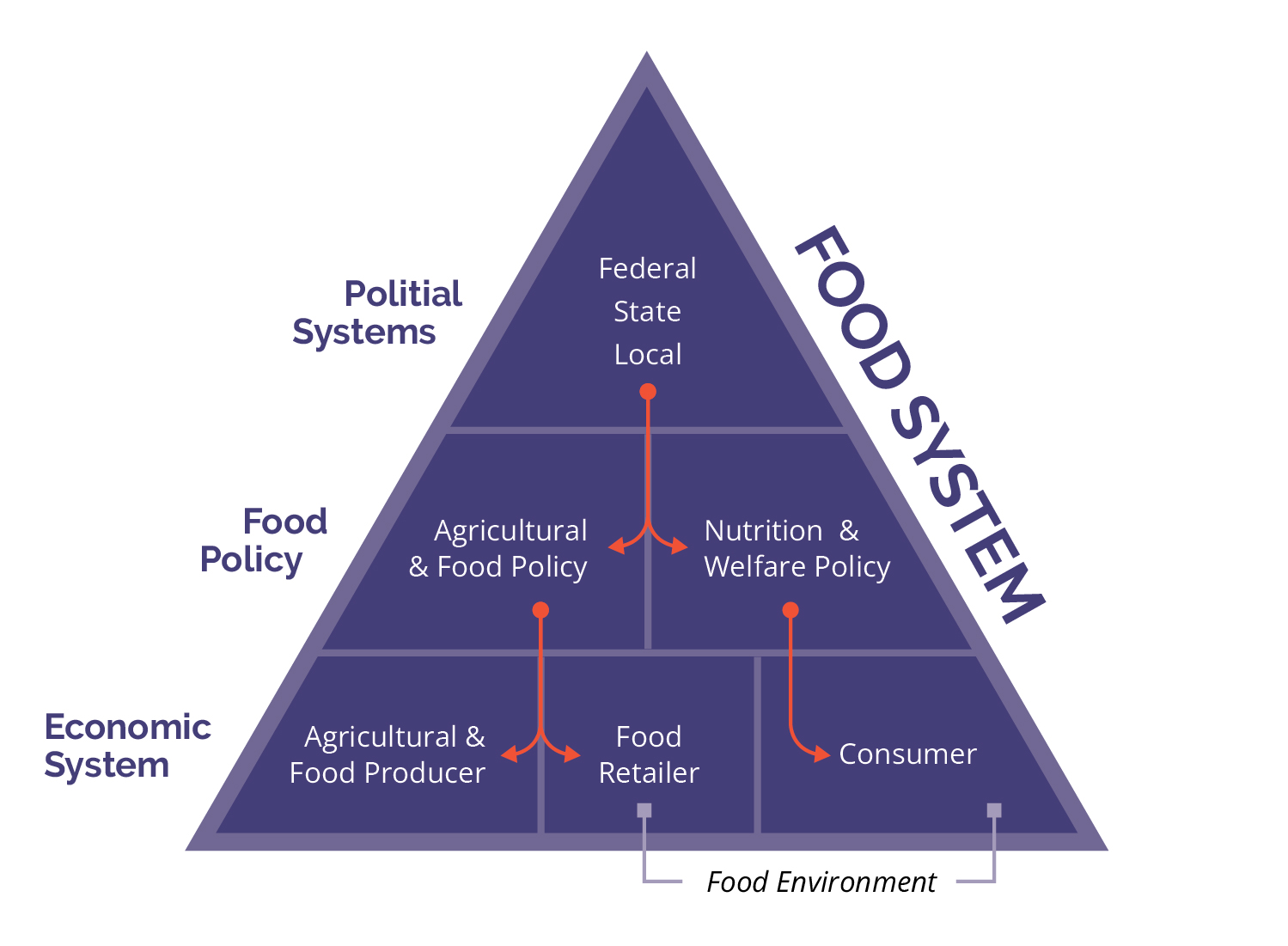
The project examines how state-level policy ameliorates or exacerbates institutionalized inequality in food security, food access, and food business ownership in the United States. In 2018, an estimated 1 in 9 Americans were food insecure (37 million Americans, including more than 11 million children). The onset of the COVID-19 pandemic has exacerbated food insecurity in the United States. Among African American, Latino, and immigrant communities’ food insecurity is higher leading to serious chronic disease prevalence in these communities. In 2019, 1 in 6 minority residents in the United States also lived in a community with limited availability and accessibility to retail grocery outlets. Nevertheless, as of 2020, nearly 1 in 5 U.S. businesses with employees were minority-owned, and a portion of these businesses were contributing to the food environment of communities by providing access to both retail grocery and dining services. The project examines one primary research question related to the combination of food security, food access, and food business ownership that constitute a community’s food environment: What is the role of state and local policy in the food environment in the United States? Further, how do state and local food policies affect individual food security and food access?
The broader impacts of the study are numerous. The efforts will develop academic, institutional, and community partnerships connecting political science, public affairs, and applied economics research that allows for a reimagining of food systems research that does not keep diverse stakeholders on the fringe but incorporates them into existing political, economic, and food systems. Moreover, the research will shed light on the ongoing racial, ethnic, and nativity disparities embedded in U.S. state-level food policy.
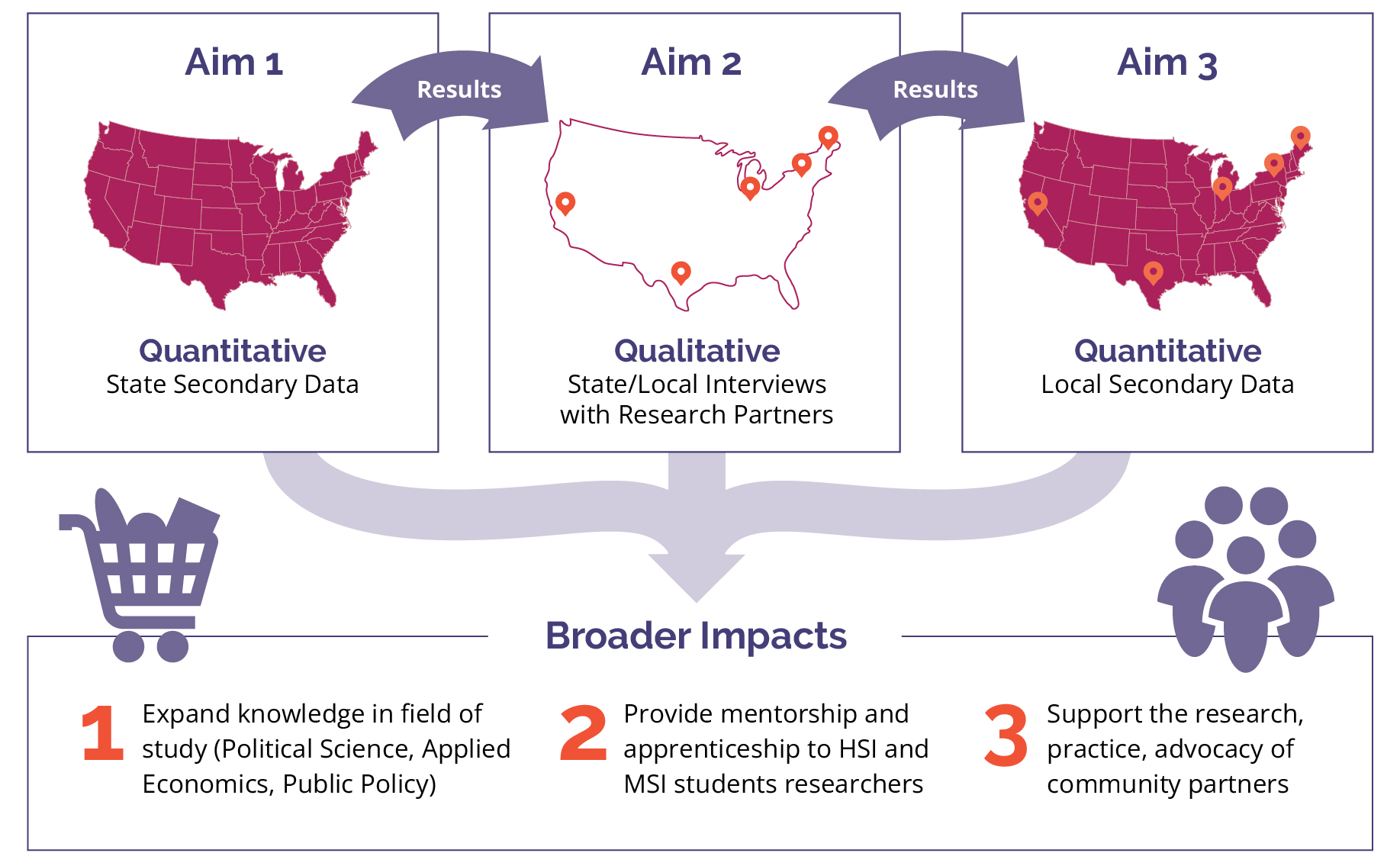
The investigation will implement a two-part mixed methods approach to answer research questions related to the variation in food environments across states. Part I will compile data into a novel dataset to understand the influence of food policy on the food environment at state and county levels, as well as the influence of the food environment on individuals. Part II involves a qualitative approach using research interviews in urban, suburban, and rural communities in California, Indiana, Maine, New York, and Texas, to solicit open-ended feedback on how immigrant communities and communities of color perceive their food environments, opportunities for food business entrepreneurship, and existing food policies. The project will work with community partners to co-create, disseminate, and analyze the interview instrument and its results across the five strategically chosen study sites. These in-depth research interviews will highlight how state policy shapes the individual attitudes and access. Lastly, this project will collect a county-level dataset informed by the findings from the qualitative interview instrument to investigate how residents and entrepreneurs interact with local and state bureaucracy and their local food environment. This investigation will explain how decisions at the state level (policies and expenditures) are significantly correlated with a change in the quality of individual and local food environments. Most importantly, the research brings politics, policy, and applied economic subfields into conversation regarding U.S. food policy, building an infrastructure among institutions to facilitate data collection and analysis that includes active collaboration with community research partners and MSI student researchers.
- University of North Texas, NSF Award #2221894
- Indiana University, NSF Award #2221922